

Conservation Scientists
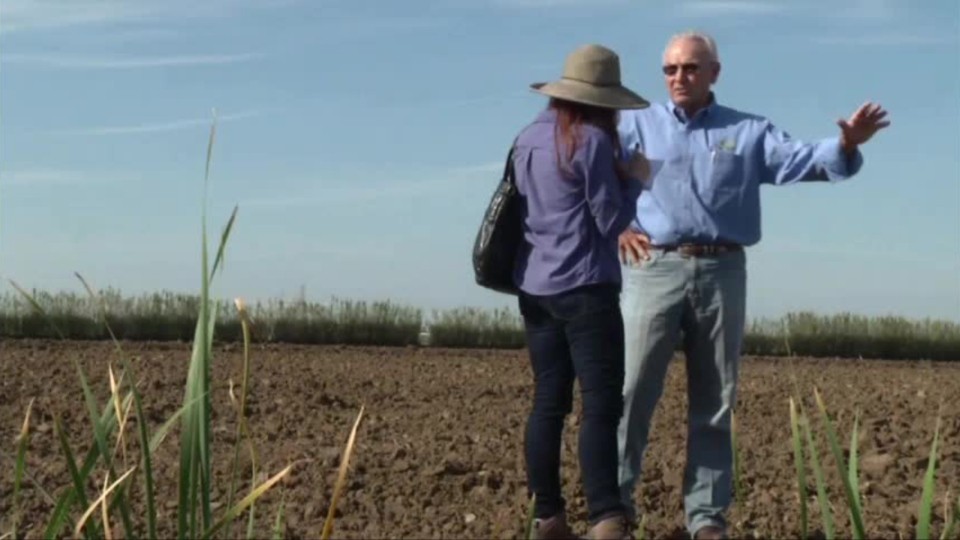
Conservationist, Land Resource Specialist, Research Soil Scientist, Resource Conservationist
What they do:
Manage, improve, and protect natural resources to maximize their use without damaging the environment. May conduct soil surveys and develop plans to eliminate soil erosion or to protect rangelands. May instruct farmers, agricultural production managers, or ranchers in best ways to use crop rotation, contour plowing, or terracing to conserve soil and water; in the number and kind of livestock and forage plants best suited to particular ranges; and in range and farm improvements, such as fencing and reservoirs for stock watering.
On the job, you would:
- Apply principles of specialized fields of science, such as agronomy, soil science, forestry, or agriculture, to achieve conservation objectives.
- Plan soil management or conservation practices, such as crop rotation, reforestation, permanent vegetation, contour plowing, or terracing, to maintain soil or conserve water.
- Monitor projects during or after construction to ensure projects conform to design specifications.
Knowledge
Arts and Humanities
- English language
Math and Science
- biology
- arithmetic, algebra, geometry, calculus, or statistics
Business
- customer service
- management
Safety and Government
- law and government
Skills
Basic Skills
- listening to others, not interrupting, and asking good questions
- reading work related information
Problem Solving
- noticing a problem and figuring out the best way to solve it
People and Technology Systems
- thinking about the pros and cons of different options and picking the best one
- figuring out how a system should work and how changes in the future will affect it
Abilities
Verbal
- listen and understand what people say
- read and understand what is written
Ideas and Logic
- notice when problems happen
- order or arrange things
Math
- add, subtract, multiply, or divide
- choose the right type of math to solve a problem
Visual Understanding
- see hidden patterns
Personality
People interested in this work like activities that include ideas, thinking, and figuring things out.
They do well at jobs that need:
- Innovation
- Intellectual Curiosity
- Cautiousness
- Integrity
- Attention to Detail
- Dependability
Technology
You might use software like this on the job:
Geographic information system
- ESRI ArcGIS software


- Geographic information system GIS software
Presentation software
- Microsoft PowerPoint
Analytical or scientific software
- Clover Technology GALENA
- WinEPIC
Education
Education: (rated 4 of 5)
bachelor's degree or
master's degree
usually needed
master's degree
usually needed
Job Outlook
Average
New job opportunities are likely in the future.

Explore More
- Environmental Restoration Planners
- Environmental Scientists & Specialists, Including Health
- Industrial Ecologists
- Range Managers
- Soil & Plant Scientists
You might like a career in one of these industries:
See more details at O*NET OnLine about Conservation Scientists.