

Geological Technicians
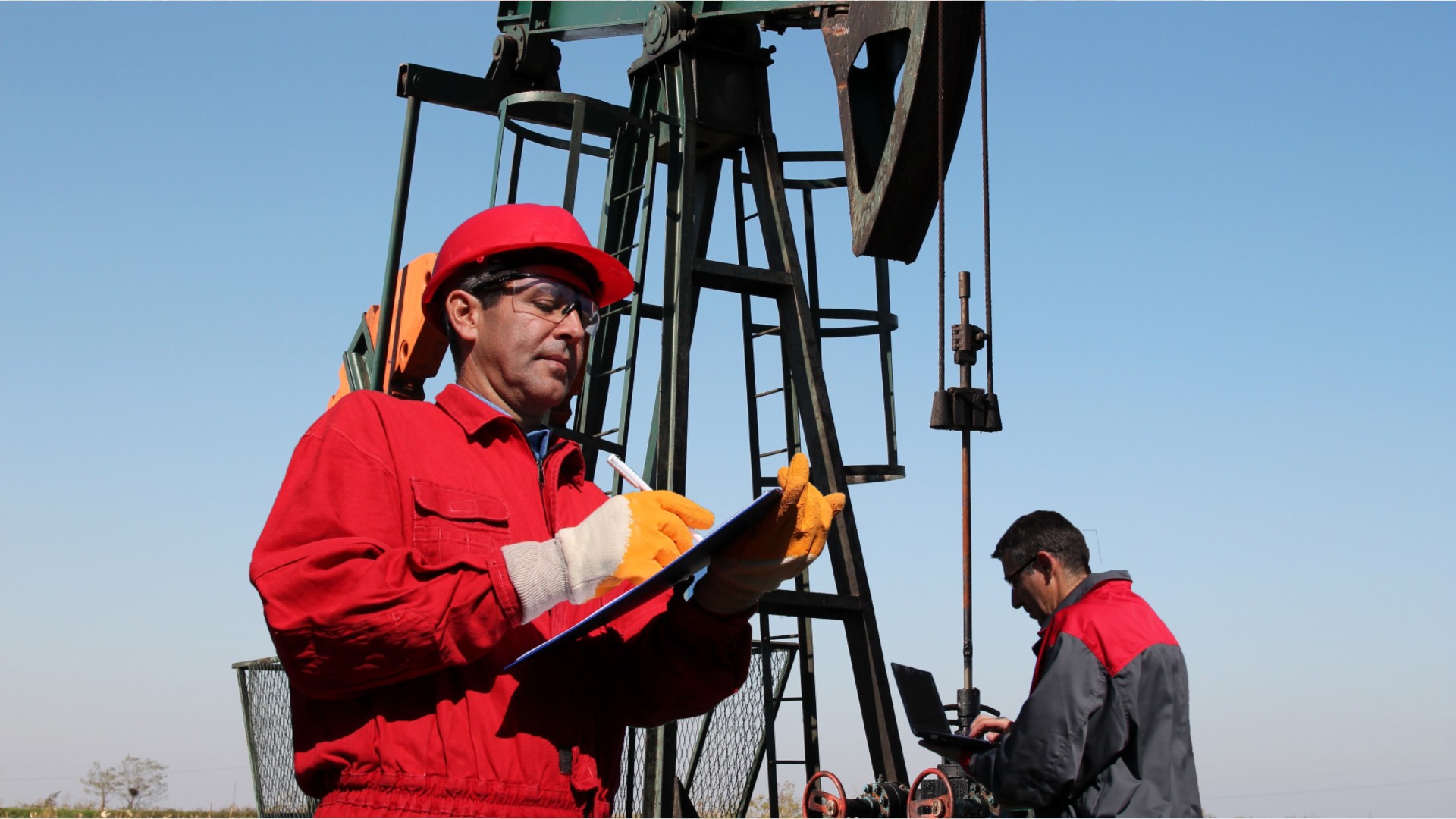
Geological Technician, Geotechnician, Materials Technician, Physical Science Technician
What they do:
Assist scientists or engineers in the use of electronic, sonic, or nuclear measuring instruments in laboratory, exploration, and production activities to obtain data indicating resources such as metallic ore, minerals, gas, coal, or petroleum. Analyze mud and drill cuttings. Chart pressure, temperature, and other characteristics of wells or bore holes.
On the job, you would:
- Test and analyze samples to determine their content and characteristics, using laboratory apparatus or testing equipment.
- Collect or prepare solid or fluid samples for analysis.
- Compile, log, or record testing or operational data for review and further analysis.
Knowledge
Engineering and Technology
- computers and electronics
- product and service development
Math and Science
- arithmetic, algebra, geometry, calculus, or statistics
- chemistry
Arts and Humanities
- English language
Skills
Basic Skills
- reading work related information
- thinking about the pros and cons of different ways to solve a problem
Problem Solving
- noticing a problem and figuring out the best way to solve it
Abilities
Verbal
- read and understand what is written
- listen and understand what people say
Ideas and Logic
- order or arrange things
- make general rules or come up with answers from lots of detailed information
Personality
People interested in this work like activities that include practical, hands-on problems and solutions.
They do well at jobs that need:
- Attention to Detail
- Dependability
- Intellectual Curiosity
- Integrity
- Perseverance
- Cautiousness
Technology
You might use software like this on the job:
Geographic information system
- ESRI ArcGIS software

- Geographic information system GIS software
Presentation software
- Microsoft PowerPoint
Analytical or scientific software
- IHS Petra
- Techsia Techlog
Education
Education: (rated 4 of 5)
Job Outlook

Below Average
New job opportunities are less likely in the future.

Explore More
- Calibration Technologists & Technicians
- Environmental Science & Protection Technicians, Including Health
- Geodetic Surveyors
- Hydrologic Technicians
- Surveying & Mapping Technicians
You might like a career in one of these industries:
See more details at O*NET OnLine about Geological Technicians.