

Radio, Cellular, & Tower Equipment Installers & Repairers
Radio Frequency Technician (RF Tech), Radio Technician (Radio Tech), Tower Technician (Tower Tech), Two-Way Radio Technician (Two-Way Radio Tech)
Where in the military?
Select a military branch to see samples.
Advanced Fighter Aircraft Integrated Avionics; Advanced Fighter Aircraft Integrated Avionics Helper, MQ-1, MQ-9, RQ-4; Avionics Test Station, Components, And Electronic Warfare Systems Apprentice, A-10/B-2/C-17/CV-22/F-16/AFSOC Avionics Systems; Avionics Test Station, Components, And Electronic Warfare Systems Helper, B-1/E-8/F-15 Avionics Systems; Fighter Aircraft Integrated Avionics; Fighter Aircraft Integrated Avionics Helper, F-16 Avionics; Heavy Aircraft Integrated Avionics Craftsman; MHU-139 Electrical, Environmental, and Avionics Technician Helper; Radar, Airfield and Weather Systems (RAWS) Journeyman; Special Reconnaissance Journeyman
AH-64 Armament/Electrical/Avionics Systems Repairer; Avionic and Survivability Equipment Repairer; Command and Control Systems Integrator; Electromagnetic Spectrum Manager; Electronic Systems Maintenance Warrant Officer; Electronic Warfare Technician; Military Intelligence (MI) Systems Maintainer/Integrator; Network Communication Systems Specialist; RQ-7 Repairer; Signal Operations
Aviation Maintenance Technician; Electronics Technician; Information System Technician
Advanced Extremely High Frequency (AEHF) Technician; Aircraft Avionics Technician, CH-53; Aircraft Communications/Navigation/Radar Systems Technician, F/A-18; Aviation RADAR Technician; Cyberspace Warfare Operator; Field Artillery Radar Operator; Ground Electronics Systems Maintenance Technician; Metrology Technician; Satellite Transmissions System Operator; Tactical Transmission Systems Operator Maintainer
AEGIS Ashore Communications Technician; AN/SSC-12 Shipboard Air Traffic Control Communications (SATCC) Technician; Aviation Electronics Organizational Level Technician; Communications Equipment (SRQ-4) Technician; Data Link Communications System Maintenance Technician; Fire Control Technician; Information Systems Technician, Communications; MH-60R Electronics Systems Organizational Initial Maintenance Technician; Radio Frequency Operator; Surface Cryptologic Carry-On Program (CCOP) Director
No similar titles were found.
What they do:
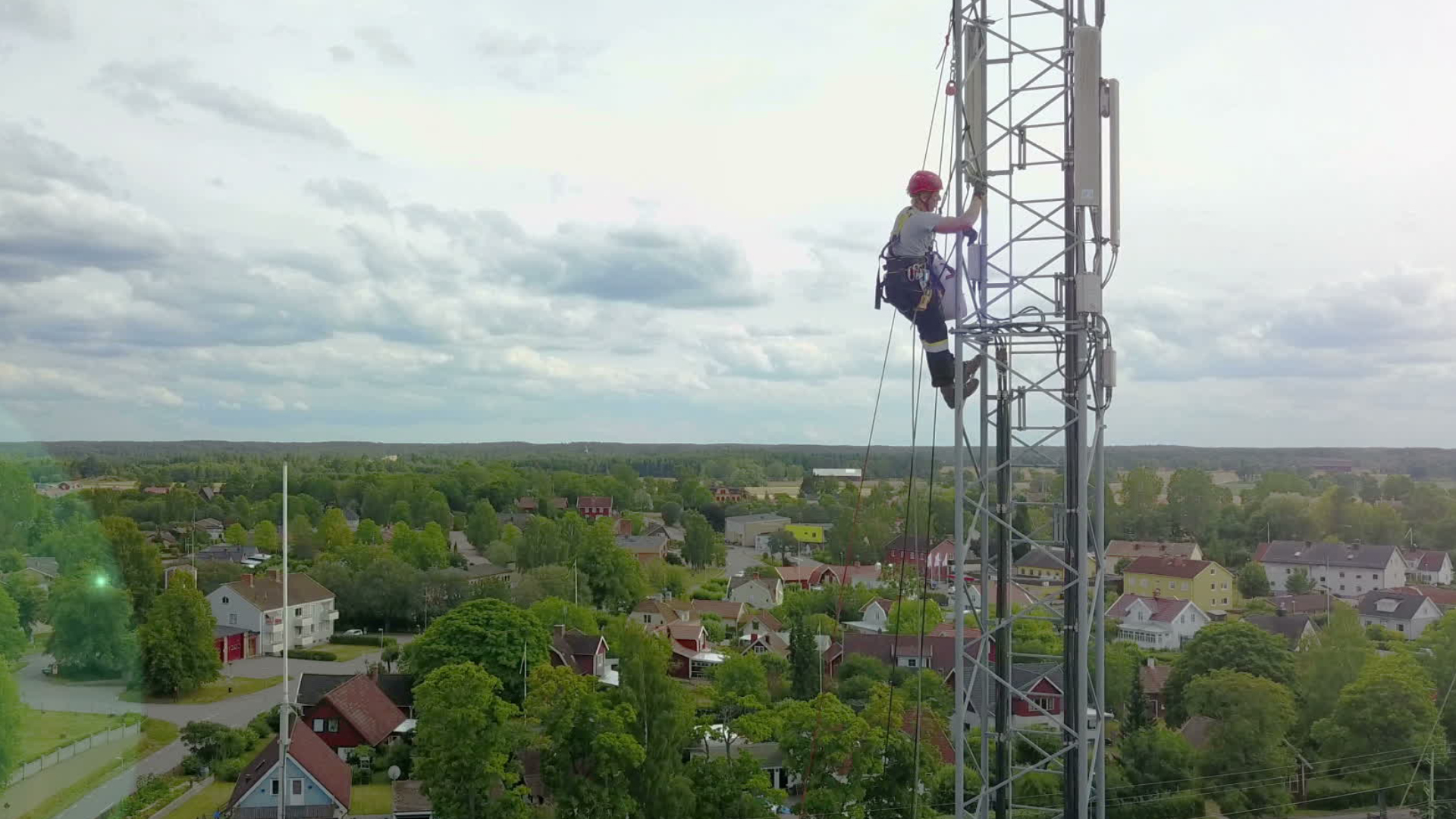
Repair, install, or maintain mobile or stationary radio transmitting, broadcasting, and receiving equipment, and two-way radio communications systems used in cellular telecommunications, mobile broadband, ship-to-shore, aircraft-to-ground communications, and radio equipment in service and emergency vehicles. May test and analyze network coverage.
On the job, you would:
- Inspect completed work to ensure all hardware is tight, antennas are level, hangers are properly fastened, proper support is in place, or adequate weather proofing has been installed.
- Run appropriate power, ground, or coaxial cables.
- Test operation of tower transmission components, using sweep testing tools or software.
Knowledge
Engineering and Technology
- computers and electronics
- mechanical
Communications
- telecommunications
- multimedia
Business
- customer service
- management
Arts and Humanities
- English language
Skills
Basic Skills
- listening to others, not interrupting, and asking good questions
- reading work related information
Problem Solving
- noticing a problem and figuring out the best way to solve it
Abilities
Hand and Finger Use
- keep your arm or hand steady
- hold or move items with your hands
Ideas and Logic
- notice when problems happen
- order or arrange things
Verbal
- listen and understand what people say
- communicate by speaking
Personality
People interested in this work like activities that include practical, hands-on problems and solutions.
They do well at jobs that need:
- Cautiousness
- Attention to Detail
- Dependability
- Perseverance
- Integrity
Technology
You might use software like this on the job:
Spreadsheet software
- Microsoft Excel Hot Technology In Demand
Presentation software
- Microsoft PowerPoint Hot Technology In Demand
Analytical or scientific software
- AERONET calculator
- Zoho WebNMS Cell Tower Manager
Education
Education: (rated 2 of 4)
high school diploma/GED or
certificate after high school
usually needed
certificate after high school
usually needed
Job Outlook

Bright
New job opportunities are very likely in the future.

Explore More
- Audiovisual Equipment Installers & Repairers
- Electrical & Electronics Repairers, Commercial & Industrial Equipment
- Radio Frequency Identification Device Specialists
- Telecommunications Equipment Installers & Repairers
- Telecommunications Line Installers & Repairers
You might like a career in one of these industries:
See more details at O*NET OnLine about Radio, Cellular, & Tower Equipment Installers & Repairers.