

Neurodiagnostic Technologists
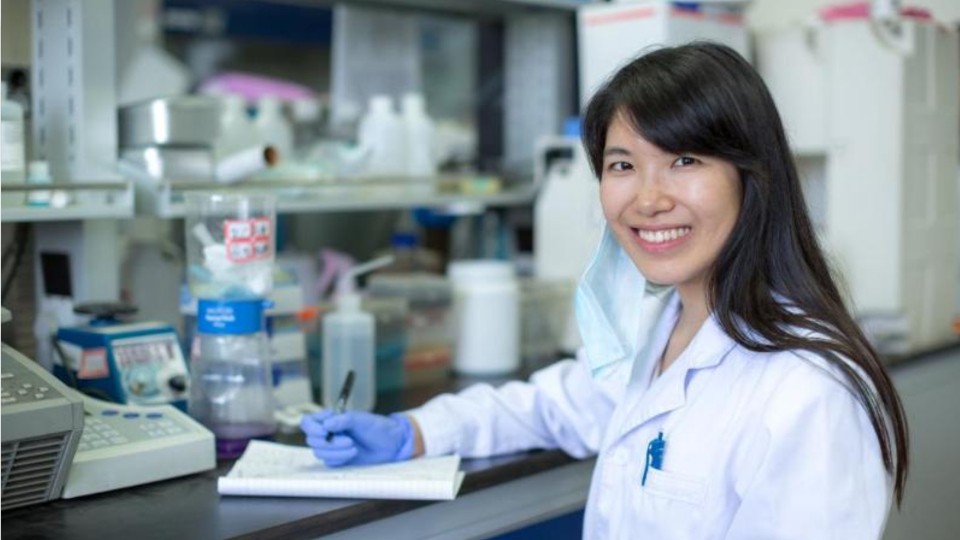
Certified Neurodiagnostic Technologist, Electroneurodiagnostic Technologist (END Technologist), Registered Electroencephalogram Technologist (Registered EEG Tech), Registered Polysomnographic Technologist (RPSGT)
What they do:
Conduct electroneurodiagnostic (END) tests such as electroencephalograms, evoked potentials, polysomnograms, or electronystagmograms. May perform nerve conduction studies.
On the job, you would:
- Indicate artifacts or interferences derived from sources outside of the brain, such as poor electrode contact or patient movement, on electroneurodiagnostic recordings.
- Monitor patients during tests or surgeries, using electroencephalographs (EEG), evoked potential (EP) instruments, or video recording equipment.
- Conduct tests or studies such as electroencephalography (EEG), polysomnography (PSG), nerve conduction studies (NCS), electromyography (EMG), and intraoperative monitoring (IOM).
Knowledge
Arts and Humanities
- English language
Business
- customer service
Engineering and Technology
- computers and electronics
Health
- medicine and dentistry
Skills
Basic Skills
- listening to others, not interrupting, and asking good questions
- talking to others
Problem Solving
- noticing a problem and figuring out the best way to solve it
People and Technology Systems
- thinking about the pros and cons of different options and picking the best one
- figuring out how a system should work and how changes in the future will affect it
Abilities
Verbal
- communicate by speaking
- listen and understand what people say
Ideas and Logic
- notice when problems happen
- make general rules or come up with answers from lots of detailed information
Visual Understanding
- quickly compare groups of letters, numbers, pictures, or other things
- see hidden patterns
Personality
People interested in this work like activities that include ideas, thinking, and figuring things out.
They do well at jobs that need:
- Cautiousness
- Integrity
- Attention to Detail
- Dependability
- Cooperation
- Self-Control
Technology
You might use software like this on the job:
Medical software
- BESA EEGFocus
- MEDITECH software

Presentation software
- Microsoft PowerPoint
Data base user interface and query software
- Database software
- FileMaker Pro
Education
Education: (rated 3 of 5)
associate's degree or
certificate after high school
usually needed
certificate after high school
usually needed
Job Outlook

Bright
New job opportunities are very likely in the future.
Explore More
- Cardiovascular Technologists & Technicians
- Diagnostic Medical Sonographers
- Medical & Clinical Laboratory Technologists
- Ophthalmic Medical Technologists
- Radiologic Technologists & Technicians
You might like a career in one of these industries:
See more details at O*NET OnLine about Neurodiagnostic Technologists.