

Medical & Clinical Laboratory Technologists
Clinical Laboratory Scientist (CLS), Clinical Laboratory Technologist, Medical Lab Technologist (Medical Laboratory Technologist), Medical Technologist (MT)
 Select a military branch to see samples.
Biomedical Laboratory; Biomedical Laboratory, Hematology; Dental Assistant Craftsman; Health Services Management; Health Services Management Journeyman; Histopathology Helper; Medical Laboratory Helper; Pathologist, Cytology; Pathologist, Neuropathology; Respiratory Care Practitioner Apprentice
Allied Sciences; Biochemistry; Civil Affairs Medical Sergeant (CA Medical SGT); Clinical Laboratory; Medical Laboratory Specialist; Medical Service Corps Officer; Microbiology; Nuclear Medical Science; Pathologist; Respiratory Specialist
Health Services Technician; Medical Administration Specialty
No similar titles were found.
Aerospace Medical Technician; Cardiovascular Technician; Electroneurodiagnostic Technologist; Hemodialysis/Apheresis Technician; Hospital Corpsman; Medical Laboratory Technician; Pathologist; Preventive Medicine Technician; Respiratory Therapist; Submarine Force Independent Duty Corpsman
Medical Laboratory; Medical Laboratory Apprentice; Medical Laboratory Craftsman; Medical Laboratory Helper; Medical Laboratory Journeyman; Medical Laboratory Manager; Medical Laboratory Superintendent
What they do:
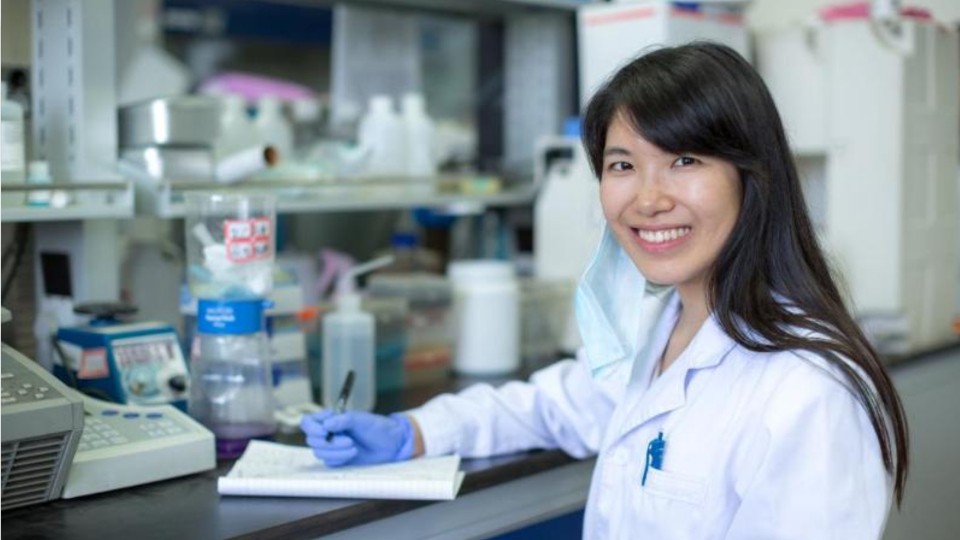
Perform complex medical laboratory tests for diagnosis, treatment, and prevention of disease. May train or supervise staff.
On the job, you would:
- Analyze samples of biological material for chemical content or reaction.
- Analyze laboratory findings to check the accuracy of the results.
- Conduct chemical analysis of body fluids, including blood, urine, or spinal fluid, to determine presence of normal or abnormal components.
Knowledge
Math and Science
- chemistry
- arithmetic, algebra, geometry, calculus, or statistics
Business
- customer service
- administrative services
Engineering and Technology
- computers and electronics
- mechanical
Arts and Humanities
- English language
Skills
Basic Skills
- thinking about the pros and cons of different ways to solve a problem
- using scientific rules and strategies to solve problems
Problem Solving
- noticing a problem and figuring out the best way to solve it
Abilities
Verbal
- read and understand what is written
- listen and understand what people say
Ideas and Logic
- make general rules or come up with answers from lots of detailed information
- notice when problems happen
Hand and Finger Use
- keep your arm or hand steady
- put together small parts with your fingers
Visual Understanding
- see hidden patterns
Personality
People interested in this work like activities that include ideas, thinking, and figuring things out.
They do well at jobs that need:
- Achievement Orientation
- Intellectual Curiosity
- Cautiousness
- Integrity
- Attention to Detail
- Dependability
Technology
You might use software like this on the job:
Medical software
- eClinicalWorks EHR software

- MEDITECH software
Presentation software
- Microsoft PowerPoint
Spreadsheet software
- Microsoft Excel
Education
Education: (rated 4 of 5)
bachelor's degree or
associate's degree
usually needed
associate's degree
usually needed
Job Outlook

Below Average
New job opportunities are less likely in the future.

Explore More
- Cardiovascular Technologists & Technicians
- Cytogenetic Technologists
- Histology Technicians
- Histotechnologists
- Medical & Clinical Laboratory Technicians
You might like a career in one of these industries:
See more details at O*NET OnLine about Medical & Clinical Laboratory Technologists.